Forestry mulching, lot clearing, and invasive removal across Cabarrus County — walked, quoted in writing, and done by a local operator.
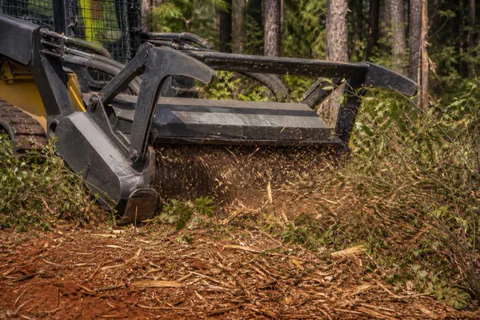
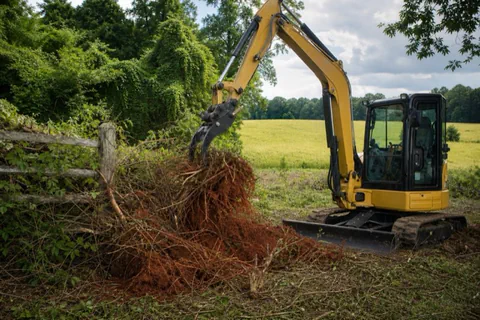
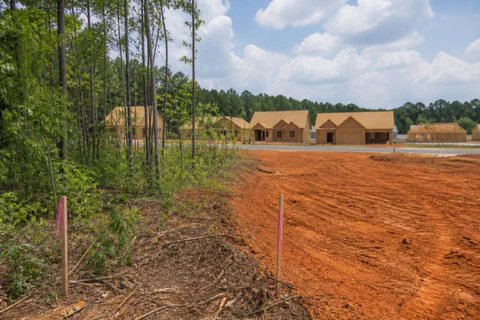
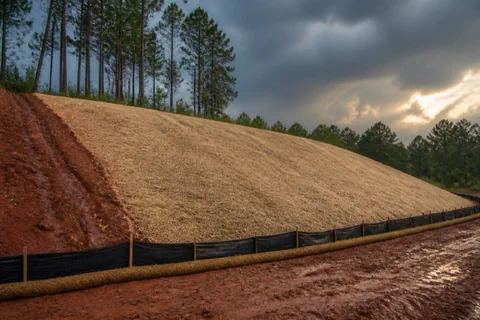
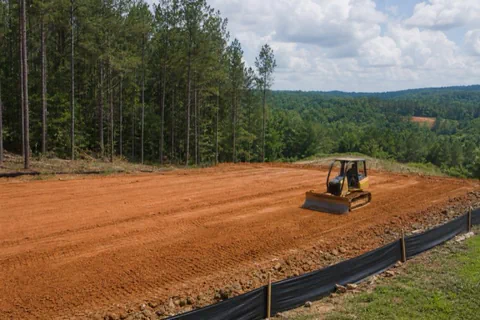
Cabarrus Land Clearing puts Concord-area property owners in front of a local operator built for Piedmont ground: drum mulchers that grind sweetgum, cedar, and loblolly regrowth where it stands, excavators that grub privet crowns and kudzu roots out whole, and dozers that shape building pads into the county's iron-red Cecil clay. Jobs are planned around what this ground actually does — clay that sheds thunderstorm runoff instead of drinking it — so every scope pairs the cutting with erosion control, from silt fence and wattles to same-week seed and straw on anything left bare.
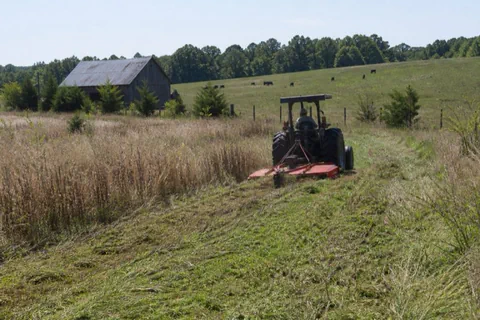
Method gets matched to ground before anything gets priced: mulch-in-place where the chip layer should stay working, grub-and-grade where a pad or drive is coming, mow-and-reclaim where a field just needs to be a field again. The written quote names which — and what it costs.
Describe the land and what it should become — a local land clearing contractor calls back with a real number.
Density decides more than acreage. Mulching light regrowth on old field ground sits at the affordable end per acre; grubbing a privet-choked bottom or clearing mature mixed woods costs multiples of that, and haul-off versus mulch-in-place swings the total again. Every request through this site comes back as a written quote after a walk-through, with the machine work, debris handling, and any erosion measures each priced as their own line.
Cutting brush and trees on your own property generally needs no permit. The main threshold is disturbance: grading or grubbing an acre or more triggers North Carolina's erosion-and-sediment control plan requirement, and municipalities like Concord add their own approvals when the work ties to development. Stream buffers are the other watch item. The contractor pricing your parcel identifies which rules, if any, your address wakes up.
Mulching grinds vegetation in place, leaves a protective chip layer, spares your topsoil, and needs no debris trucks — the default for regrowth, understory, and anywhere the land stays land. Dozer-and-excavator clearing removes material root-and-all — required under pads, driveways, and septic fields where buried wood can't stay. Most Cabarrus jobs mix both: grub the footprints, mulch everything else.
It sets the schedule and the finish. Piedmont clay bears machines beautifully dry and ruts miserably wet, so honest crews plan around rain. And because bare clay erodes in the first hard storm, a proper job here never ends with open dirt — chips, seed and straw, or silt fence go down the same week. If a quote doesn't mention ground cover, keep asking questions.
Usually, and for far less than clearing prices. If cedar and sweetgum are still sapling-size, a heavy mowing and mulching pass restores the field in a day or two, and a soil test plus lime brings the forage back to outcompete broomsedge. Ten more idle years turns the same field into young forest — which is the expensive version of the same phone call.
A local land clearing contractor — not this website. Cabarrus Land Clearing is an independent marketing site: it takes your call or form and connects it to a local operator covering Concord and the surrounding counties, who walks the parcel, writes the quote, and runs the machines. The site may earn a referral fee for that introduction; the quote you receive is the contractor's own price.
 Cabarrus